
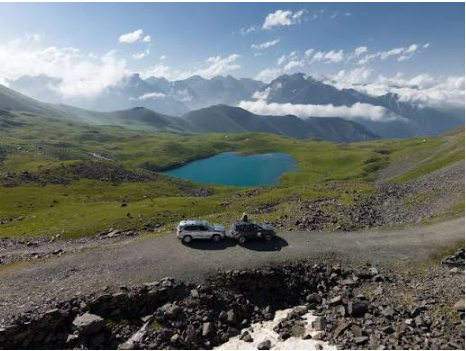


Introduction: Why 4×4 Road Trips Are Worth It
A standard road trip follows the highway. A 4×4 road trip follows curiosity. Instead of staying on the main route, you can take the gravel shortcut to a hidden lake, climb the mountain track to a viewpoint or cross a shallow river to reach a quiet campsite.
That flexibility is why 4×4 road trips have become one of the fastest-growing styles of travel. They suit couples, families, friends and solo explorers who want more independence than a package tour allows, and more variety than a sealed road can offer.
This guide explains how to plan 4x4roadtrip from start to finish: choosing a vehicle, building a route, packing sensibly, driving well and traveling responsibly.
What Makes 4×4 Road Trips Different
Conventional road trips are about covering distance. 4×4 road trips are about covering terrain, and that changes your planning in several ways.
- Average speeds are lower. A 200 km day on rough tracks can take far longer than the same distance on tarmac.
- Conditions are less predictable. Rain, mud, sand, rockfall or a damaged bridge can change a route quickly.
- Services are sparse. Fuel, food, mechanics and mobile coverage may be far apart.
- Rewards are greater. You reach places most travelers never see.
Accepting this reality early helps you plan realistic days and enjoy the journey rather than rushing it.
Choosing the Right Vehicle
The ideal vehicle depends on your route, group size and luggage.
| Vehicle type | Best for | Strengths | Limitations |
| Compact SUV with AWD | Gravel roads, light trails | Economical, easy to drive | Limited clearance and capability |
| Mid-size 4×4 | Families, mixed terrain | Comfortable and capable | Less rugged than larger models |
| Full-size 4×4 | Remote or rough routes | Durable and spacious | Higher fuel use and cost |
| Double-cab pickup | Camping and heavy gear | Strong payload | Bouncy ride when unloaded |
| 4×4 with rooftop tent | Multi-day camping trips | Flexible and self-contained | Added weight and wind noise |
Look at ground clearance, tyre type, low-range gearing, fuel range and the availability of spare parts where you are traveling. A true 4×4 with low range matters for steep, muddy or technical terrain, while all-wheel-drive crossovers suit easier gravel.
Rent, Buy or Borrow?
For a single trip, especially abroad, renting is usually the most practical choice. A reputable rental company provides a serviced vehicle, local advice and sometimes camping equipment. Owning makes sense if you plan several trips a year and want to customize suspension, storage and recovery gear.
Whichever route you choose, spend time learning the vehicle before heading into a remote country. Know where the jack, spare, tools and low-range controls are, and practice basic tasks in a safe place.
Planning Your Route
A good plan is the difference between a relaxed journey and a stressful one.
- Set your goals. Decide whether the trip is about scenery, wildlife, technical driving, culture or rest.
- Research road conditions. Use satellite maps, recent traveler reports and local advice to check what each track is really like.
- Pick the right season. Many routes are best in dry months, while some regions are too hot, cold or flooded at certain times.
- Build in flexibility. Add buffer days for weather, repairs and spontaneous detours.
- Mark fuel and water points. Identify the longest gap between supplies and carry enough for it, plus a safety margin.
- Check permits and rules. Parks, reserves, border areas and private land may require permits, fees or vehicle documentation.
- Share your itinerary. Leave your route and expected check-in times with someone you trust.
A sensible rule is to limit daily driving to what you can complete in daylight, with time left to set up camp or check in at a lodge.
Essential Gear for 4×4 Road Trips
You do not need every accessory, but certain items are worth carrying.
Recovery and repair
- Full-size spare tyre, puncture repair kit and compressor
- Recovery tracks, tow strap and rated shackles
- Shovel, gloves and a jack with a base plate for soft ground
- Basic tools, spare fuses, hoses and fluids
Navigation and communication
- Offline maps and a dedicated GPS device
- Paper map as a backup
- Satellite communicator for remote areas
- Power bank and vehicle charger
Safety
- First-aid kit and personal medication
- Fire extinguisher
- Extra drinking water and a way to purify more
- Headlamps and a reflective warning triangle
Camp and comfort
- Tent or rooftop tent, sleeping bags and mats
- Stove, cookware and a cooler or fridge
- Sun protection, rain gear and layered clothing
Pack heavy items low and near the center of the vehicle, secure loose cargo and keep recovery gear within easy reach.
Driving Skills That Matter Most
Technique often matters more than vehicle power.
Read the terrain. Look well ahead, choose a smooth line and avoid abrupt steering or braking.
Use the right drive settings. Low range suits steep descents, deep mud and slow technical sections. High range suits easier gravel and sand.
Keep momentum smooth. Steady throttle works better than aggressive acceleration, particularly in sand and mud.
Manage tyre pressure. Reducing pressure can improve grip and comfort on sand and corrugated roads. Reinflate before returning to sealed roads, and follow guidance specific to your vehicle.
Treat water crossings with respect. Check depth, current and the riverbed before entering, and move slowly at a steady pace. If in doubt, do not cross.
Handle slopes carefully. Go straight up or down rather than diagonally, and avoid stopping halfway.
Know when to turn back. Good drivers are defined by judgment, not bravado.
Safety on Remote Routes
Most serious problems are preventable.
- Travel with a second vehicle in remote areas whenever possible.
- Service your vehicle before departure, checking tyres, brakes, suspension, fluids and battery.
- Avoid night driving on unfamiliar tracks, where hazards are difficult to see.
- Carry more water than you expect to need.
- Do not overload the vehicle beyond its rated payload.
- Check weather forecasts every day, since flash floods and storms can change conditions quickly.
- If stranded, stay with the vehicle. It provides shelter and is easier for rescuers to find.
Types of 4×4 Road Trips to Consider
Safari road trips. Drive through national parks and reserves in high-clearance vehicles, ideally with roof hatches for wildlife viewing.
Mountain and highland routes. Expect steep gradients, switchbacks and rapidly changing weather, with spectacular views as reward.
Desert and dune routes. These require tyre pressure management, recovery gear and careful navigation.
Coastal and forest tracks. Soft sand, mud and tidal conditions call for local knowledge and good timing.
Cross-border overland trips. Multi-week journeys through several countries combine driving, camping and cultural discovery, but need careful paperwork and insurance planning.
Budgeting for 4×4 Road Trips
Think beyond the daily rental or ownership cost. Budget for fuel, insurance with suitable off-road coverage, permits and park fees, campsites or lodges, food, recovery equipment, tolls and a contingency fund for repairs or delays. Read insurance terms carefully, because some policies exclude unsealed roads, river crossings or remote regions.
Travel Responsibly
Remote landscapes stay beautiful only if travelers protect them.
- Stay on established tracks to limit erosion.
- Pack out all the rubbish.
- Camp in approved or previously used sites.
- Keep a respectful distance from wildlife.
- Ask before photographing people, and support local businesses.
- Follow park rules, seasonal closures and local customs.
Conclusion
4x4roadtrip combines the freedom of the open road with the thrill of discovery. They reward travelers who prepare well, drive thoughtfully and stay flexible when plans change. Choose a vehicle that matches your terrain, research each route, carry recovery and safety equipment, and build in extra time so you can enjoy the journey rather than race through it.
Start with manageable routes, learn from each trip and build confidence gradually. Respect the landscape, the people who live there and your own limits, and your 4×4 road trips will deliver the kind of memories that ordinary holidays rarely match.
Key Takeaways
- 4×4 road trips are about terrain and flexibility, not just distance.
- Match your vehicle to the route, group size and luggage load.
- Renting is often the easiest option for one-off or overseas trips.
- Plan fuel, water, permits and buffer days before departure.
- Carry a spare tyre, recovery gear, offline maps and a communication device.
- Smooth driving and good judgment prevent most problems.
- Avoid night driving, travel in convoy where possible and turn back when conditions exceed your skill.
- Leave no trace and respect local communities and wildlife.
Frequently Asked Questions (FAQ)
What are 4×4 road trips?
They are journeys made in four-wheel-drive vehicles that include unpaved, rough or remote roads, such as gravel tracks, mountain trails, sand or wildlife park routes.
Do I need a true 4×4 or is AWD enough?
AWD is fine for gravel and light trails. A true 4×4 with low range and higher clearance is better for steep, muddy, sandy or technical routes.
Are 4×4 road trips suitable for beginners?
Yes, if you start with easier routes, prepare well and consider a guided trip or a basic off-road course to build skills.
What is the best time of year for a 4×4 road trip?
It depends on the destination, but dry or cooler seasons usually give firmer tracks and more predictable weather. Research local conditions before you go.
How much does a 4×4 road trip cost?
Costs vary widely with vehicle, destination, season and trip length. Budget for the vehicle, fuel, insurance, fees, accommodation, food and a contingency fund.
What gear is essential?
A full-size spare tyre, compressor, recovery tracks or strap, shovel, first-aid kit, extra water and fuel, offline navigation and a way to call for help.
Is it safe to travel alone?
It carries more risk in remote areas. Travel with another vehicle if possible, carry satellite communication and share your itinerary.
Does regular car insurance cover off-road driving?
Often only partly. Check your policy or rental agreement for off-road exclusions and arrange extra cover if needed.
Can I take a 4×4 across borders?
Only if the rental company explicitly allows it and supplies the necessary documents and insurance. Confirm this in writing before booking.
How do I reduce my environmental impact?
Stay on established tracks, take all waste with you, respect wildlife, follow park rules and support local communities.