
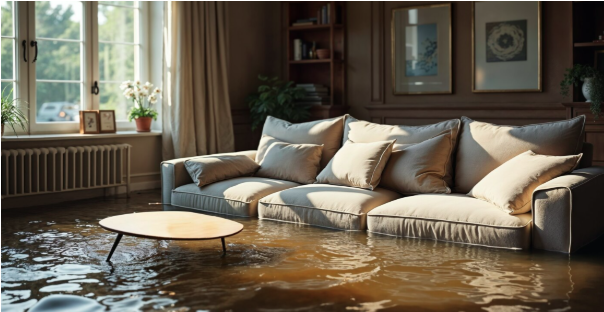


The intrusion of unwanted moisture into a residential property can lead to rapid structural deterioration and significant health hazards if not addressed with professional precision.
Whether caused by a burst pipe, an overflowing appliance, or heavy rainfall, water damage requires a systematic response to mitigate long-term consequences.
Professional restoration services utilize industrial-grade technology and scientific drying methods to ensure that every affected area is returned to its original state.
By focusing on the three pillars of dryness, cleanliness, and safety, these expert solutions protect both the physical assets of the homeowner and the well-being of the residents.
Advanced Moisture Extraction for a Completely Dry Foundation
The first step in any water damage restoration project is the immediate removal of standing water to prevent it from seeping deeper into the subflooring and wall cavities.
Technicians use high-powered submersible pumps and industrial vacuums to extract large volumes of liquid quickly, helping to minimize further water damage to the property.
Following extraction, moisture sensors and thermal imaging cameras are deployed to locate hidden pockets of dampness that are not visible to the naked eye.
This rigorous approach ensures that the drying process is thorough, preventing the structural warping or rotting that occurs when moisture is left trapped within the building materials due to untreated water damage.
Utilizing Industrial Dehumidification to Eliminate Humidity
Even after the standing water is gone, the air inside the property often remains saturated with moisture, which can lead to secondary damage.
Professionals use high-velocity air movers and industrial-grade dehumidifiers to circulate dry air and draw out deep-seated moisture from porous surfaces like drywall and wood framing.
This controlled environment is essential for reaching the specific drying goals required for a safe habitation. By maintaining low humidity levels, the restoration team ensures that the environment is no longer conducive to the degradation of finishes or the weakening of the home’s skeletal structure.
Comprehensive Sanitization to Ensure a Clean Living Space
Water that enters a home is rarely pure and often carries bacteria, chemicals, or other contaminants that pose serious health risks. A vital component of restoration is the application of antimicrobial and biological treatments to all affected surfaces.
This deep-cleaning process neutralizes pathogens and removes the lingering odors often associated with dampness. Professional sanitization ensures that carpets, upholstery, and hard surfaces are not only visually clean but also microscopically safe for physical contact.
This step is particularly important for households with children or pets who are more susceptible to environmental pollutants.
Mitigating Health Risks Through Professional Mold Prevention
One of the most dangerous side effects of excessive moisture is the rapid growth of mold, which can begin within twenty-four to forty-eight hours of the initial incident.
Restoration experts prioritize mold prevention by applying specialized fungicidal coatings and ensuring that materials reach their dry standard as quickly as possible.
By eliminating the damp conditions that mold requires to thrive, technicians protect the indoor air quality of the residence. Preventing fungal colonies from establishing themselves is the most effective way to safeguard the respiratory health of everyone living in the home.
Ensuring Structural Safety and Integrity Inspections
Beyond cleanliness, the physical stability of the house must be verified after a saturation event. Water can weaken support beams, compromise electrical systems, and cause drywall to lose its structural bond.
A professional restoration team performs a detailed safety assessment to identify any components that need to be reinforced or replaced.
This ensures that the property is structurally sound before residents move back in. Checking the integrity of the home prevents future collapses or electrical fires that could result from unnoticed water-related damage to the internal infrastructure.