
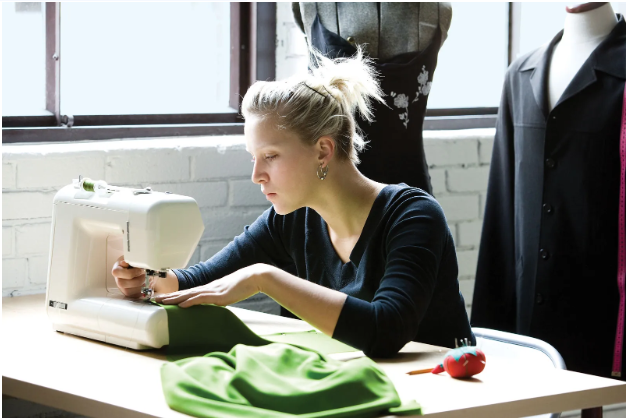


Choosing the right sewing machine is an important step for anyone who enjoys sewing, whether you are a beginner or an experienced crafter. The right machine can make your sewing projects easier, faster, and more enjoyable. With so many types of sewing machines available in the market, it can be challenging to know which one is best suited for your needs. This guide will help you understand what to look for and how to select the perfect sewing machine for your projects.
Understand Your Sewing Needs
Before buying a sewing machine, it is important to consider what kind of projects you plan to work on. If you are a beginner, a basic machine with simple functions may be enough. For more advanced users who work on quilting, embroidery, or heavy fabrics like denim, a more advanced sewing machine with additional features is necessary. Understanding your sewing habits and the materials you use will help you choose a machine that meets your requirements.
Types of Sewing Machines
There are several types of sewing machines, each designed for different purposes. Mechanical sewing machines are simple and easy to use, with manual controls for stitch length and width. They are usually more affordable and durable. Electronic sewing machines offer automatic features, such as stitch selection and speed control, which can save time and effort. Computerized sewing machines provide advanced functions like programmable stitches, embroidery designs, and memory settings. Knowing the differences between these types will help you decide which machine fits your projects best.
Consider the Features You Need
When choosing a sewing machine, it is important to focus on the features that will make your sewing easier and more efficient. Look for a machine with adjustable stitch length and width, as this allows you to customize your stitches for different fabrics. A built-in needle threader and automatic bobbin winding can save you time and reduce frustration. If you plan to sew thicker fabrics, make sure the machine has enough power and a strong motor. Some machines also offer free arm capability, which is useful for sewing sleeves and other tubular items.
Check for Compatibility and Accessories
Sewing machines come with different accessories that can enhance your sewing experience. These may include presser feet for specific tasks, extension tables, and additional bobbins. Consider which accessories are important for your projects and make sure they are compatible with the machine you choose. It is also helpful to check whether replacement parts and service are easily available, as this ensures your machine will stay in good working condition for a long time.
Test the Machine if Possible
If you have the opportunity, it is always a good idea to test a sewing machine before buying it. This allows you to feel the machine’s speed, stability, and ease of use. Try sewing different types of fabrics to see how well the machine handles them. Testing the machine can also help you understand its noise level and how comfortable it is to operate. A machine that feels right to you will make your sewing projects more enjoyable and less stressful.
Set a Budget
Sewing machines are available at various price points, from basic models to advanced machines with multiple features. Determine your budget before shopping, and try to find a machine that offers the best value within your price range. Remember that a higher price does not always mean better quality, but investing in a reliable machine can save you money in the long run by avoiding frequent repairs or replacements.
Read Reviews and Get Recommendations
Finally, it is helpful to read reviews and seek recommendations from other sewers. Online reviews can provide insights into the machine’s performance, durability, and ease of use. Talking to friends or joining sewing communities can also give you valuable advice based on real experiences. Hearing from others who have used the machine can help you make a more informed decision and avoid common pitfalls.
Conclusion
Choosing the right sewing machine for your projects requires careful consideration of your needs, the types of machines available, important features, and your budget. By understanding the differences between mechanical, electronic, and computerized machines, checking for essential accessories, and testing the machine if possible, you can find a sewing machine that makes your sewing enjoyable and efficient. Taking the time to select the right machine ensures that your projects will be successful and your sewing experience will be rewarding for years to come.