


Upgrading a commercial property goes beyond aesthetics—it directly impacts safety, efficiency, and long-term value. Property owners and managers face the constant challenge of keeping their buildings secure, functional, and energy-efficient. From roof improvements to utility optimizations, implementing key upgrades can enhance both the operational performance of a property and the well-being of its occupants. This article explores essential upgrades that commercial property owners should consider to maximize safety and efficiency.
Commercial Flat Roof Installation: A Durable Solution for Modern Buildings
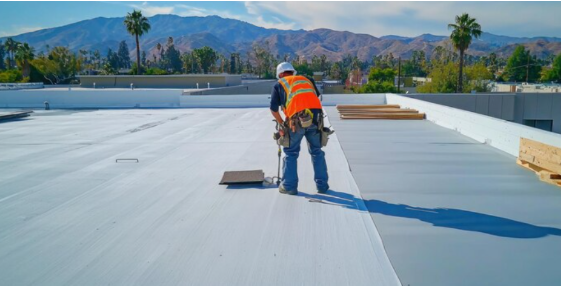
A commercial flat roof installation is a practical investment for property owners looking to improve safety and reduce maintenance costs. Flat roofs offer a streamlined design that accommodates HVAC systems, solar panels, and other rooftop equipment safely. Modern materials used in flat roof installation, such as TPO, EPDM, and modified bitumen, provide excellent waterproofing and energy efficiency. Proper installation also minimizes the risk of leaks, which can compromise structural integrity and pose hazards to both employees and tenants. By opting for a commercial flat roof installation, businesses can ensure a reliable, long-lasting roofing system that supports safety, operational efficiency, and potential energy savings.
Gutter Installation: Protecting Property and Preventing Damage
Proper gutter installation is another crucial upgrade for commercial properties. Gutters channel rainwater away from the building, preventing water accumulation that can damage foundations, walls, and landscaping. For larger commercial buildings, an efficient gutter system is vital to avoid costly repairs caused by water infiltration or erosion. Advanced gutter systems can include leaf guards and enhanced drainage options to maintain consistent water flow and reduce maintenance requirements. Investing in quality gutter installation ensures that rainwater management is handled effectively, protecting the building and its occupants while enhancing property longevity.
Upgraded Lighting for Safety and Productivity
Improving lighting in commercial spaces contributes to both safety and efficiency. Well-lit entryways, parking areas, and internal corridors reduce the risk of accidents and discourage unauthorized access. Energy-efficient LED lighting systems not only enhance visibility but also reduce electricity costs, contributing to operational efficiency. Motion sensors and smart lighting controls can further optimize energy use by ensuring lights are active only when needed, balancing safety with cost-effectiveness.
HVAC and Energy Efficiency Upgrades
Heating, ventilation, and air conditioning (HVAC) systems are essential for maintaining a safe and comfortable environment. Upgrading to energy-efficient HVAC units helps regulate indoor temperatures, improves air quality, and reduces energy consumption. Regular maintenance and modern system installation can prevent breakdowns that may disrupt operations or create hazardous conditions. Enhanced insulation, programmable thermostats, and ventilation upgrades also contribute to energy savings and employee comfort, fostering a more productive workplace.
Security Enhancements for Comprehensive Protection
Commercial properties benefit greatly from updated security measures. Installing surveillance cameras, access control systems, and alarm monitoring not only deters criminal activity but also provides rapid response capabilities in emergencies. Modern security technology integrates with building management systems, allowing property managers to monitor and manage safety remotely. A secure property ensures the protection of both employees and assets while improving tenant confidence and satisfaction.
Flooring and Walkway Safety Improvements
High-traffic areas in commercial properties require durable, non-slip flooring to prevent accidents. Upgrading floors with slip-resistant coatings, reinforced tiles, or rubberized surfaces reduces the likelihood of workplace injuries. Similarly, improving outdoor walkways with proper lighting, railings, and even surface leveling enhances accessibility and ensures compliance with safety regulations. These improvements promote a safer environment for employees, visitors, and clients.
Conclusion
Investing in essential upgrades for commercial properties is not just about aesthetics—it is about creating a safer, more efficient, and more sustainable environment. From commercial flat roof installation to gutter installation, lighting enhancements, HVAC efficiency, security systems, and safe flooring, every improvement contributes to long-term operational success. Property owners who prioritize these upgrades can reduce risks, lower maintenance costs, and create a more productive space for occupants. By taking a proactive approach to commercial property improvements, businesses can achieve both safety and efficiency while safeguarding their investment for years to come.