
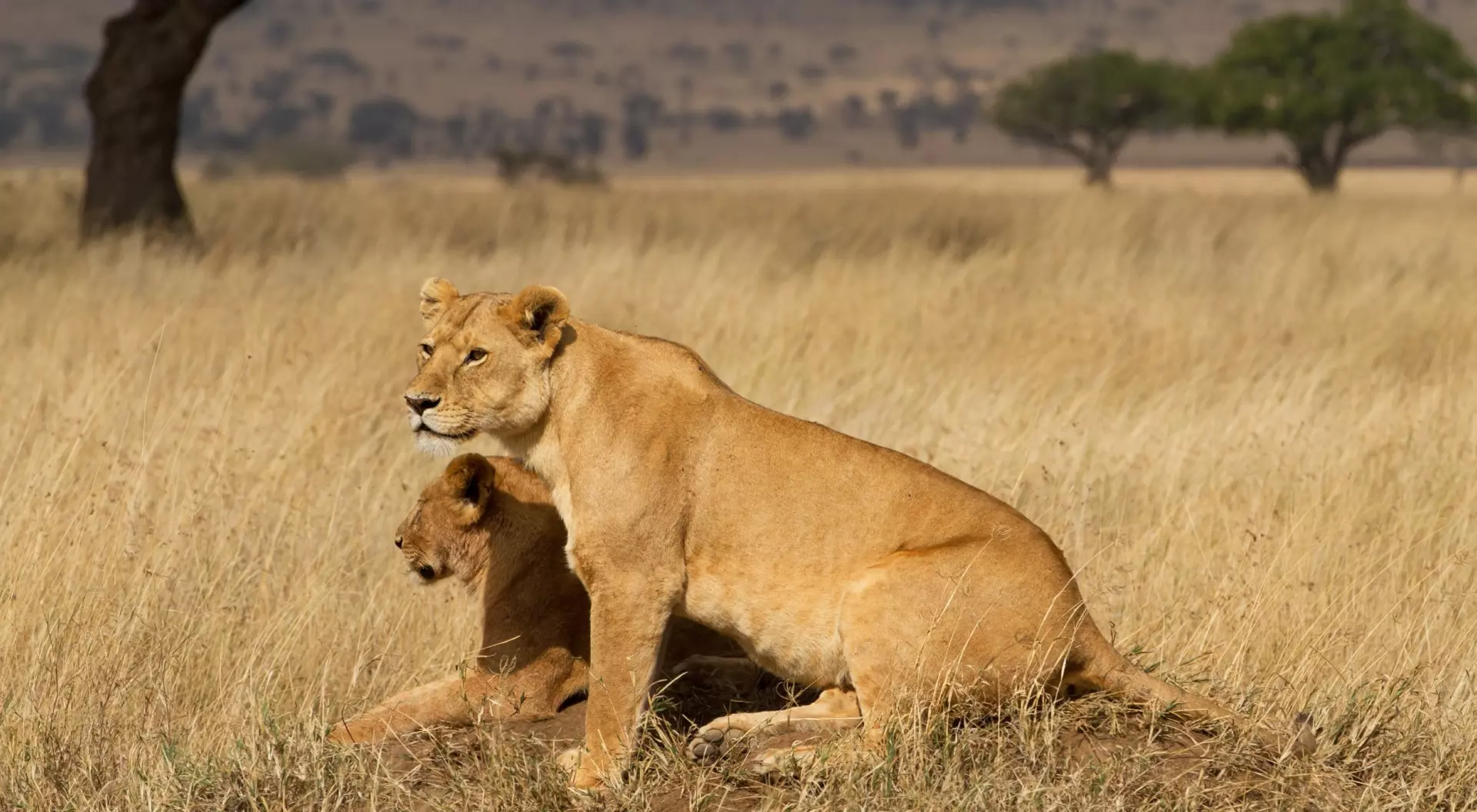


Wildlife tour Tanzania stands among the world’s most extraordinary wildlife destinations, offering vast protected landscapes, remarkable biodiversity, and some of Africa’s most iconic safari experiences. With nearly 30% of its land designated as protected areas, the country provides travelers with unparalleled opportunities to observe wildlife in pristine, natural environments. A wildlife tour in Tanzania combines dramatic scenery, rich ecosystems, and expertly guided exploration to create a journey defined by authenticity and adventure.
The Northern Safari Circuit
The northern safari circuit is Tanzania’s most renowned wildlife region, attracting visitors from around the globe. At its heart lies Serengeti National Park, a UNESCO World Heritage Site and one of Africa’s most celebrated ecosystems. The Serengeti’s vast plains are synonymous with the Great Migration, during which millions of wildebeest, zebras, and gazelles move in search of fresh grazing. This natural spectacle draws predators such as lions, cheetahs, and hyenas, creating dramatic wildlife encounters throughout the year.
Adjacent to the Serengeti is the Ngorongoro Conservation Area, home to the Ngorongoro Crater—the world’s largest intact volcanic caldera. The crater floor supports a dense concentration of wildlife, including elephants, black rhinos, buffalo, hippos, and large prides of lions. Its natural enclosure makes it one of the best locations in Africa for observing the “Big Five” within a single day.
Another highlight of the northern circuit is Tarangire National Park, famous for its ancient baobab trees and significant elephant populations. During the dry season, the Tarangire River becomes a lifeline for wildlife, attracting large herds of zebras, wildebeest, and antelope. Birdlife here is equally impressive, adding another dimension to the safari experience.
To the west of Tarangire lies Lake Manyara National Park, a compact yet diverse park known for its groundwater forests, tree-climbing lions, and flocks of flamingos along the alkaline lake. The park’s varied habitats support primates, hippos, and numerous bird species, making it an excellent addition to a multi-park itinerary.
The Southern and Western Wilderness
For travelers seeking a more remote and exclusive safari experience, southern and western Tanzania offer vast, less crowded reserves. Nyerere National Park, formerly part of the Selous Game Reserve, is one of Africa’s largest protected areas. Characterized by river systems, woodlands, and open plains, Nyerere provides unique opportunities for boat safaris along the Rufiji River. These excursions allow close observation of hippos, crocodiles, and diverse birdlife from a different perspective than traditional game drives.
In western Tanzania, Ruaha National Park stands out for its rugged landscapes and exceptional predator populations. Ruaha hosts one of East Africa’s largest lion populations and is known for its dramatic scenery, including rocky escarpments and baobab-studded plains. The park’s remote location ensures an intimate wildlife experience with fewer vehicles and expansive, untouched terrain.
The Great Migration
One of Tanzania’s defining wildlife events is the Great Migration, primarily centered within the Serengeti ecosystem. This continuous movement of herbivores follows seasonal rainfall patterns and provides year-round opportunities for viewing different stages of the migration. Calving season in the southern Serengeti typically occurs between January and March, attracting predators and offering remarkable photographic opportunities. Between June and October, dramatic river crossings in the northern Serengeti showcase the raw intensity of survival as animals navigate crocodile-infested waters.
Wildlife Diversity
AWildlife tour Tanzania extends far beyond the iconic Big Five. Visitors may encounter giraffes browsing acacia treetops, cheetahs sprinting across open plains, leopards resting in riverine trees, and massive elephant herds traversing ancient migratory routes. Hippos and crocodiles inhabit rivers and lakes, while over 1,100 bird species contribute vibrant color and sound to the landscape.
Tanzania’s ecological diversity supports both resident and migratory species. From savannah grasslands and wetlands to montane forests near Mount Kilimanjaro, the country’s varied habitats create a dynamic wildlife viewing experience across regions.
Types of Safari Experiences
Wildlife tours in Tanzania are tailored to suit different travel styles and preferences. Traditional game drives in 4×4 safari vehicles remain the foundation of most itineraries, typically conducted during early morning and late afternoon when animals are most active.
Walking safaris, available in select parks and private concessions, offer immersive experiences led by trained guides and armed rangers. These excursions emphasize tracking skills, plant identification, and smaller wildlife often overlooked during vehicle safaris.
Boat safaris, particularly in Nyerere National Park, provide a distinctive perspective on aquatic ecosystems. For those seeking exclusivity and comfort, luxury tented camps and lodges deliver exceptional service, fine dining, and panoramic views while maintaining proximity to wildlife habitats.
Best Time to Visit
Tanzania is a year-round wildlife destination, but the dry season—from June to October—is widely regarded as optimal for game viewing. During this period, vegetation is thinner, and animals gather around water sources, making sightings more frequent and predictable.
The green season, from November to May, offers lush scenery, fewer crowds, and excellent opportunities for photography. Although occasional rains occur, this season coincides with calving in the Serengeti and abundant birdlife across parks.
Conservation and Community Impact
Tanzania’s commitment to conservation plays a vital role in sustaining its wildlife heritage. National parks, conservation areas, and community-managed reserves work collaboratively to protect ecosystems and promote responsible tourism. Many safari operators contribute to local development initiatives, supporting education, healthcare, and conservation awareness programs.
Sustainable tourism practices, including controlled visitor numbers and eco-friendly accommodations, ensure that wildlife tours remain environmentally responsible while delivering high-quality experiences.
Conclusion
A Wildlife tour Tanzania represents an immersive exploration of Africa’s most celebrated ecosystems. From the endless plains of the Serengeti and the dramatic crater landscapes of Ngorongoro to the remote wilderness of Ruaha and Nyerere, Tanzania offers diversity, scale, and authenticity unmatched by many destinations.